
I’m Max, the founder, publisher and person responsible for the final editorial decisions on this site. I write for people visiting Japan and people who live here. My aim is to help you decide what suits you, with useful information, personal observations and a clear distinction between the two.
This policy explains how I choose, check and update content, and how I handle the commercial relationships that help support the site.
What you can expect from the content
I focus on information that helps you make a real decision: what a place or product offers, who it may suit, what it costs where that information can be checked, and any practical limitations worth knowing about.
Personal experience matters, but it is not the same as a universal verdict. If I enjoyed something, that does not mean everyone will. I distinguish my opinions from factual statements, and I do not present a personal preference as an objective measurement.
When a recommendation is based on a visit or a product I have used, I make that context clear where it matters. When it is based on research, official information or another contributor’s experience, I do not describe it as my own first-hand experience.
Research and fact-checking
I am responsible for reviewing the facts before publication. Depending on the subject, that means checking information against official venue or product pages, public authorities, direct communications and other relevant sources, alongside my own experience.
Prices, opening hours, access arrangements, booking rules and transport information can change. Where the timing affects a recommendation, I aim to identify the relevant visit, check or publication date. You should still check time-sensitive details with the operator before travelling or paying.
I do not claim to have visited every place, tested every product or checked every alternative in the market. If information is uncertain, unavailable or supplied by a third party, I aim to make that limitation clear rather than fill the gap with a confident guess.
Content about rules, health, insurance or legal matters is general information. For a decision that depends on your circumstances, consult the relevant authority or a qualified professional.
How recommendations and comparisons are made
I choose the criteria that make sense for the subject and explain the important ones in the relevant article. They may include usefulness, price and overall value, location, practicality, the experience on offer and suitability for a particular reader.
A comparison may cover a selected group of options rather than an entire market. A ranking reflects the criteria, information and context described in that article. It is not a promise that the top option will be the right choice for every person.
I do not claim to have tested an item I have not used. Any distinction between hands-on experience, research and third-party information should remain visible in the recommendation. Limitations, drawbacks and relevant alternatives belong in the assessment too.
Affiliate links and editorial independence
Some links are affiliate links. If you buy or book through one, Offbeat Buddy may earn a commission. Relevant commercial links are identified in context so you can understand the relationship before deciding to use them. You can read more in the affiliate disclosure.
The availability or size of a commission does not determine whether I include a product or place, what I say about it, or its position in a comparison. I may recommend an option with no affiliate programme, or advise against an option that offers a commission.
Affiliate partners do not buy a place in a ranking or the right to change my conclusions. My responsibility is to the reader making the decision.
Gifts, invitations and other relationships
I may accept products, meals, invitations or press trips provided free of charge. When a benefit is connected with content, I disclose it clearly in that content. Receiving something does not guarantee coverage or a favourable opinion.
I retain the final editorial decision. A business may point out a factual error, but it does not receive the right to suppress criticism or approve my opinion as a condition of coverage.
I do not sell sponsored articles or advertising placements on this site. Advertising used to promote Offbeat Buddy itself is separate from the editorial recommendations published here.
Offbeat Buddy also sells my own companionship service. Where I discuss or link to that service, I have a direct commercial interest in the booking. Those pages should be understood as information about my business, rather than an independent review of it.
AI tools, photography and illustrations
I use AI tools to help organise ideas and create some illustrations. I remain responsible for reviewing and approving everything published. An AI-generated output is not a source, proof of a fact or a substitute for checking information.
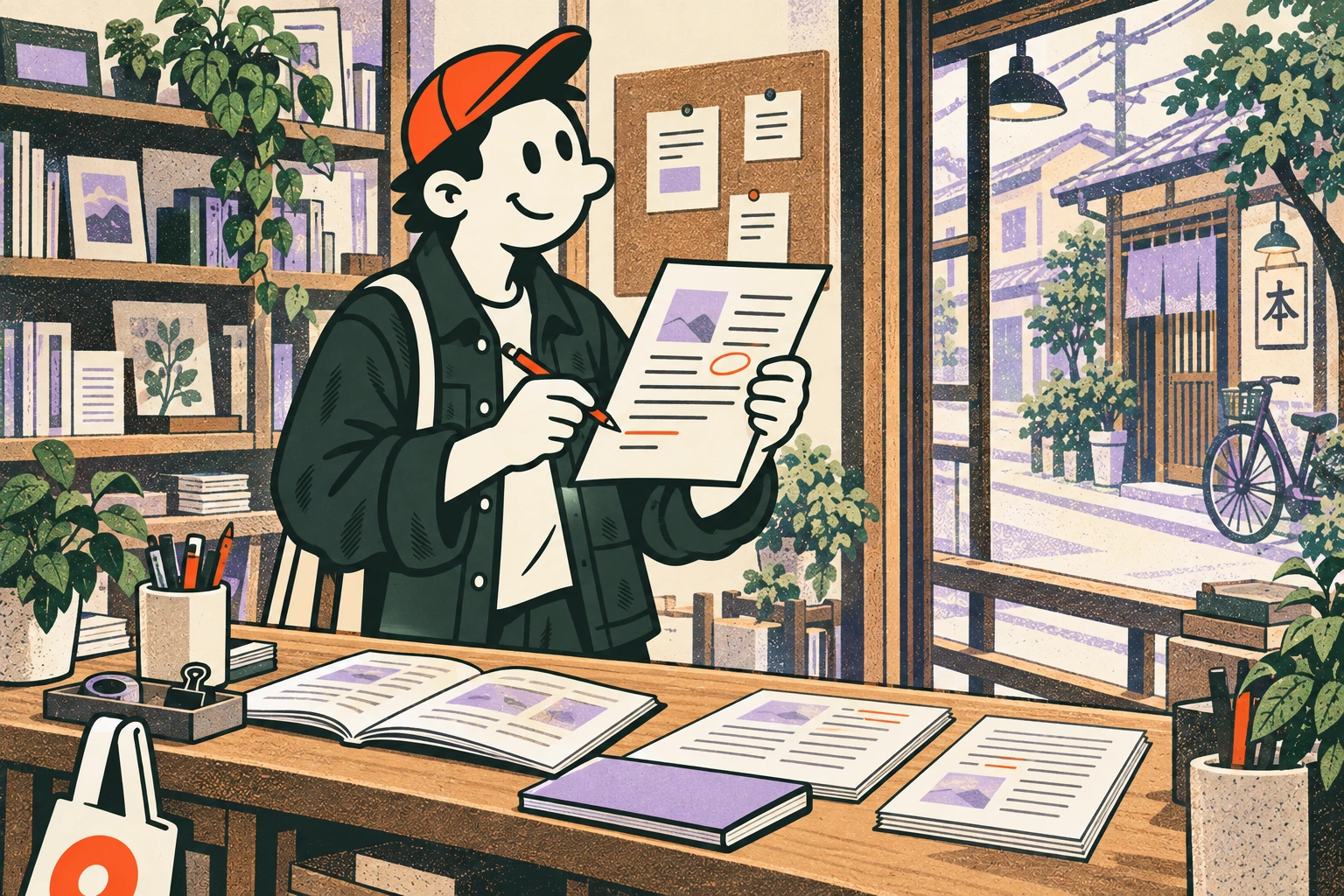
Illustrations are creative representations. They are not evidence that a particular place, person, product or experience looks exactly as pictured. Where an image could reasonably be mistaken for a documentary photograph or a real experience, I identify its illustrative or generated nature.
Other images are my own photographs or material used with the necessary permission. If a partner or contributor supplies an image, I check the permission and provide credit where required. I do not use a customer’s identifiable image or personal story for promotion simply because they booked a hangout: that requires separate permission.
Contributors and reader reviews
Occasional contributions may come from partners or other writers. I review them before publication, identify authorship where appropriate and disclose relevant commercial relationships. Contributors must follow the same standards for accuracy, rights and transparency.
Customer reviews represent the reviewer’s experience. I do not invent reviews, buy positive opinions or make a benefit conditional on a favourable rating. If I request feedback after a hangout, there is no requirement to leave a positive review.
Comments or reviews may be moderated for spam, unlawful material, abuse, personal information or content unrelated to the topic. A review is not removed merely because it is critical. Any label suggesting a verified booking must be supported by an actual verification process.
Updates, corrections and feedback
I revisit content when new experience, reader feedback or changed information gives me a reason to do so. I do not promise a fixed review cycle for every page. A date change alone does not mean the whole article has been researched again.
I correct confirmed errors and add clarification where wording could mislead. Significant corrections should be made visible where necessary to explain a material change, rather than silently replacing a conclusion that readers may have relied on.
Found something wrong, outdated or unclear? Email hello@offbeatbuddy.com with the page link, the point to check and a useful source if you have one. I assess the information before deciding what to change.
For information about personal data, see the privacy policy. For the identity of the publisher, see the legal notice.